Hair Health
Understanding Hair Loss from Extensions: Proper Application vs Improper Techniques

Learn why improper extension application causes hair loss and how proper techniques protect natural hair.
Hair extensions offer a quick way to add length, volume, and style to your hair. Yet, many people worry about hair loss linked to wearing extensions. This concern is valid because hair extensions, when applied incorrectly, can cause damage and lead to hair breakage or traction loss. On the other hand, proper application techniques allow you to enjoy extensions without harming your natural hair. This post explains why hair loss can happen with extensions, the difference between safe and unsafe methods, and how to maintain healthy hair while wearing extensions.
Why Hair Loss Can Occur with Extensions
Hair extensions add weight and tension to your natural hair. If this tension is too strong or unevenly distributed, it can pull on the hair follicles. This pulling causes a type of hair loss called traction alopecia. Traction alopecia happens when hair is repeatedly pulled, leading to inflammation and damage to the follicles. Over time, this can cause permanent hair loss if not addressed.
Another reason for hair loss is hair breakage. Extensions that are too heavy or attached improperly can cause strands to snap. Breakage weakens the hair shaft and makes hair look thinner. It also makes it harder for hair to grow long and healthy. It is important to understand that some hair shedding is natural. On average, people lose about 50 to 100 hairs per day as part of the hair growth cycle. Extensions should not increase this natural shedding significantly if applied correctly.
Proper Application Techniques for Hair Extensions
Proper application is key to preventing hair loss and damage. Here are some essential points for safe extension use:
- Even Weight Distribution: Extensions should be applied in a way that spreads the weight evenly across the scalp. This reduces stress on any single area and prevents pulling.
- Use Appropriate Extension Types: Different hair types and conditions require different extension methods. For example, tape-ins, i tip, sew-ins, or keratin bonds each have pros and cons. A professional stylist can recommend the best option for your hair.
- Avoid Excessive Tension: Extensions should feel secure but not tight. If you feel discomfort or pulling, the extensions may be too tight and need adjustment.
- Regular Maintenance: Proper maintenance includes gentle brushing, washing with suitable products, and timely salon visits for adjustments or removal.
When these techniques are followed, only natural daily hair shedding should be visible during maintenance. You should not see clumps of hair falling out or notice thinning areas.
Risks of Improper Application
- Traction Alopecia: Extensions that pull too hard on the roots cause traction alopecia. This condition can lead to permanent hair loss if the tension continues over time.
- Hair Breakage: Using heavy extensions or attaching them too close to the scalp can cause hair strands to break. Breakage weakens hair and makes it look thin and damaged.
- Scalp Irritation and Infection: Poor hygiene or improper attachment can irritate the scalp, leading to redness, itching, or even infection.
- Difficult Removal: Extensions that are not applied correctly can be hard to remove. Pulling them out forcefully can cause significant hair loss and damage.
Tips for Maintaining Healthy Hair with Extensions
- Choose a Skilled Stylist: Always have extensions applied and removed by a professional who understands hair health.
- Avoid Sleeping with Wet Hair Extensions: Wet hair is more fragile. Dry your hair thoroughly before bed to prevent tangling and breakage.
- Use Extension-Friendly Hair Products: Use sulfate-free shampoos and conditioners designed for extensions to maintain bond integrity and hair health.
- Brush Gently: Use a soft-bristle brush or a special extension brush to detangle hair without pulling.
- Schedule Regular Maintenance: Visit your stylist every 6 to 8 weeks for check-ups and adjustments.
Hair extensions can be a safe and beautiful way to enhance your look when applied and maintained properly. Understanding the risks of improper techniques and choosing a system designed for gentle removal helps protect your natural hair. If you notice excessive shedding, discomfort, or scalp irritation, consult a professional immediately.
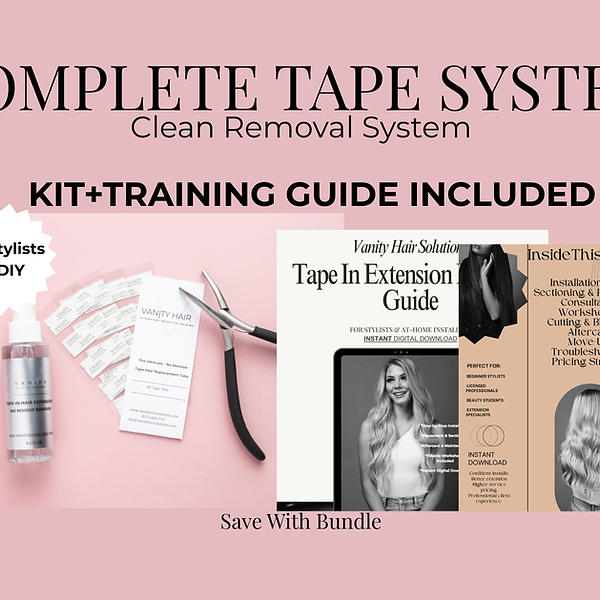
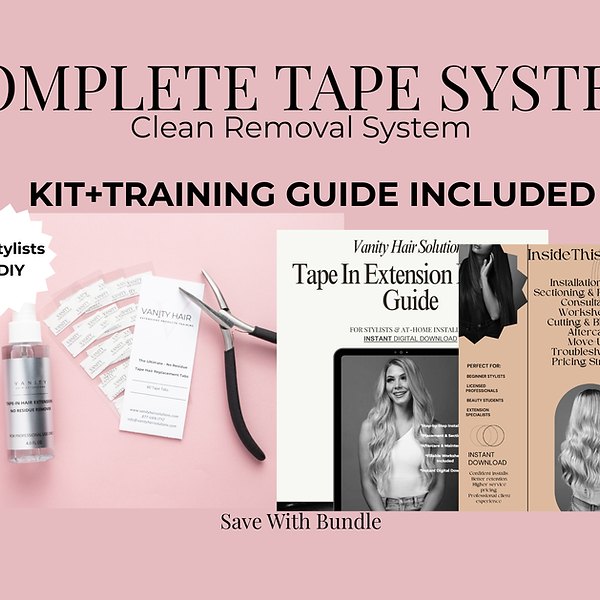
Ready for a cleaner removal?
The system this post is about — strong hold, residue-free release, designed by stylists.